
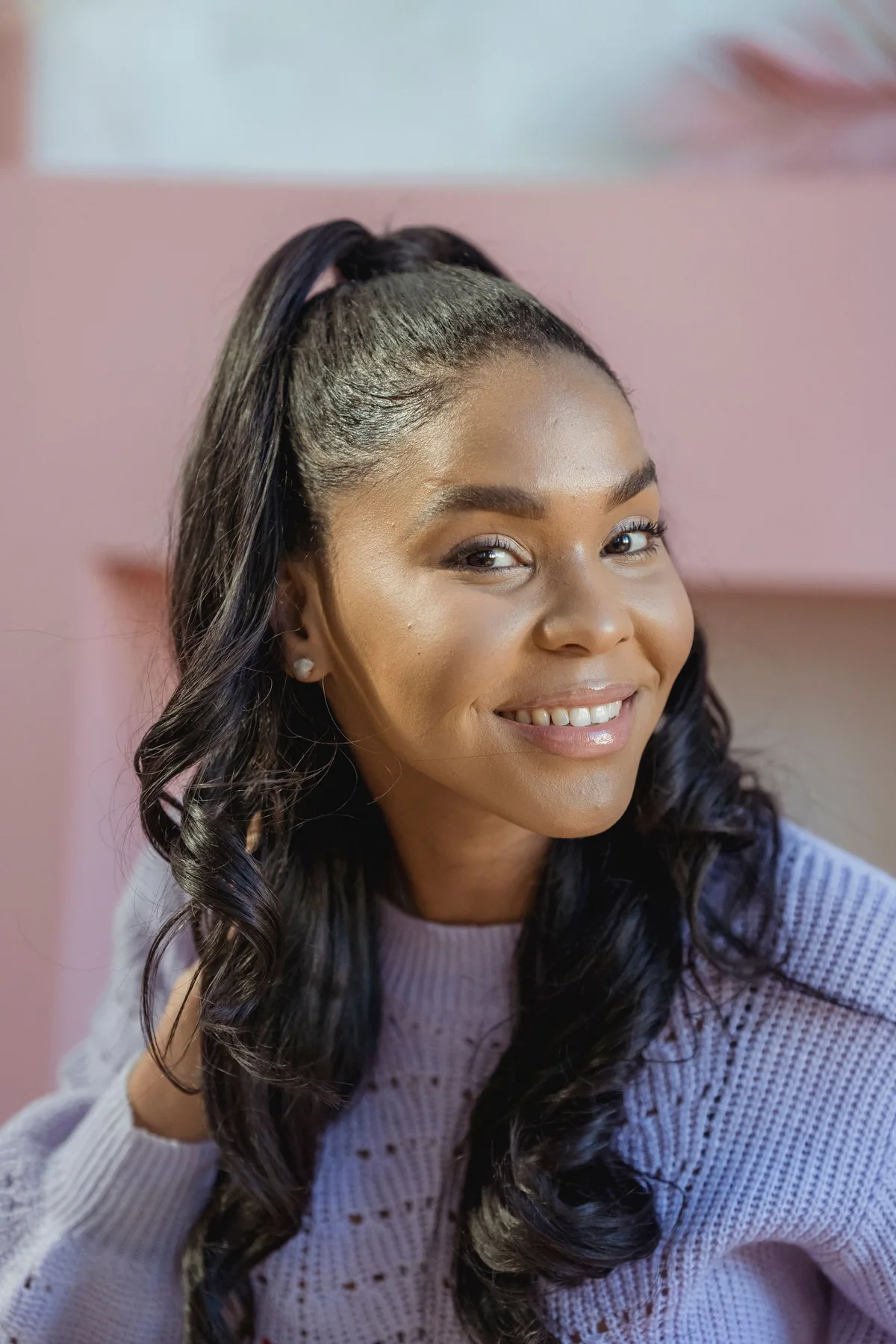
← The Install Suitehalf up half down sew in in Gasparillo
Half-Up Half-Down Sew-In
A versatile install that combines a styled upper section with flowing length through the back.
Is this your style?
What makes Half-Up Half-Down Sew-In worth considering.
Event-ready finish
Versatile styling
Personalized consultation
Before your appointment
Prepare for a smoother styling session.
Arrive with your hair ready for the booked service.
Detangle carefully and avoid heavy product buildup unless your stylist gives you different instructions for this service.
Bring the look you have in mind.
A reference photo can help communicate your preferred pattern, length, finish or overall direction.
Clarify service details before arrival.
Use WhatsApp to confirm any service-specific questions, required hair or extensions, and appointment details.
Questions clients are actually asking
Answers before you book.
How long does a sew-in usually last?
A professionally maintained sew-in is commonly planned for about six to eight weeks. Hair growth, sweating, scalp access, leave-out care and how thoroughly the foundation can be dried may mean it should be removed sooner.
What hair do I need for a half-up half-down sew-in?
The bundle count, lengths and whether a closure is needed depend on the exact version. Send the reference image and confirm the shopping list with Natae before purchasing hair.
How should I prepare my natural hair for a sew-in?
Dermatology guidance recommends starting extensions with clean hair that is free of buildup and well conditioned. Confirm any blow-drying, braid-down or leave-out instructions with Natae before arrival.
How much does Half-Up Half-Down Sew-In cost in Gasparillo?
The exact price can depend on size, length, variation, extension hair, unit or design. Send the service name plus a clear reference image through WhatsApp so Natae can quote the actual request rather than a generic price.
Do I need to bring hair or anything else for Half-Up Half-Down Sew-In?
Requirements differ by service. Confirm what hair, unit, bundles, accessories or prep are needed before buying anything or arriving for the appointment.
Hair and scalp comfort
Protective styling should not mean painful styling.
If braids, cornrows, locs, weaves or extensions feel painfully tight, cause persistent stinging or visibly pull the hairline, speak up. The American Academy of Dermatology warns that repeated tension can contribute to traction alopecia.